
Employee Onboarding Process Best Practices Overview (2026)

Over the past decade working across finance and HR operations, I’ve watched companies lose talented people in their first month more times than I care to count. Not because the employees weren’t capable. Not because the work didn’t match what was promised. But because nobody bothered to actually onboard them properly.
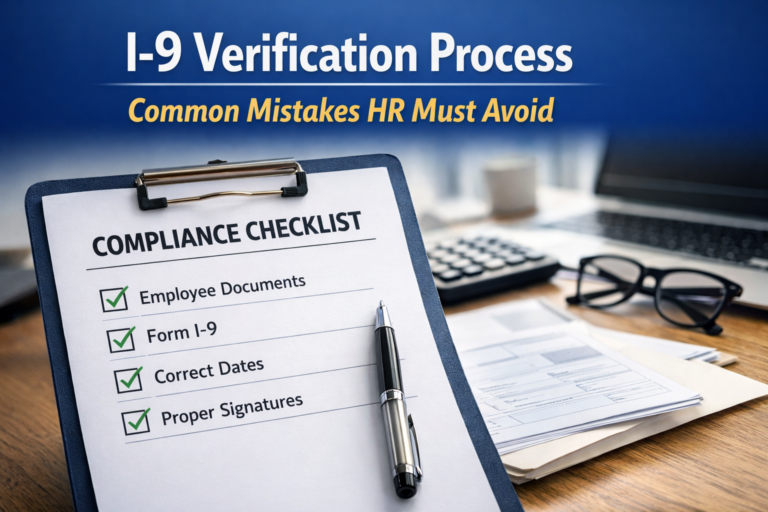
They show up day one, spend two hours on tax forms and I-9 verification, sit through compliance videos about policies they’ll forget by lunch, get a laptop that’s missing half the software they need, and then… nothing. No clarity on what success looks like. No understanding of how payroll works, who approves what, or how things actually get done. Just a vague “let us know if you have questions” and good luck.
By week three, they’re already updating their resume.
Employee onboarding isn’t just an HR formality anymore. In 2026, it’s become one of the clearest predictors of whether someone will stay, perform, and actually contribute—or whether they’ll quietly disengage and leave within six months. The gap between companies that treat onboarding seriously and those that don’t has never been wider. In his article we have to see Employee Onboarding Process Best Practices Overview (2026)
What Onboarding Actually Means (Beyond the Paperwork)
When most people hear “onboarding,” they think of orientation. First day stuff. Sign documents, watch policy videos, meet the team, done.
That’s not onboarding. That’s administrative processing.
Real onboarding is how you integrate someone into the organization so they can actually do their job without constantly guessing. It’s about role clarity, workflow understanding, cultural adjustment, and early performance support. It should cover the first 30, 60, sometimes 90 days—not just the first afternoon.
The difference shows up fast. Employees who go through structured onboarding understand their responsibilities, know where to find information, and reach full productivity weeks faster than those who don’t. The ones who don’t get this? They spend months in a fog, asking the same basic questions repeatedly because nobody gave them a map.
And here’s the thing: in hybrid and remote setups, which dominate workplaces now, that fog is even thicker. You can’t just lean over and ask someone where a file lives or who approves certain requests. If onboarding doesn’t cover it explicitly, new hires are left figuring it out through trial and error—or worse, just not doing it at all.
Why Onboarding Matters More in 2026 Than It Used to
Workplace expectations have shifted. Employees now expect clarity and access immediately, whether they’re working from an office, their home, or rotating between both.
Back when everyone worked in the same building, you could get away with loose onboarding. Someone would overhear a question and answer it. You’d pick up context from hallway conversations. Informal learning filled the gaps.
That doesn’t happen anymore.
Hybrid work has removed most informal learning opportunities. If something isn’t documented or explicitly communicated, new hires simply won’t know it. They also won’t always feel comfortable asking repeatedly, especially if they’re remote and worried about seeming incompetent on Slack.
Early confusion now leads to faster disengagement. People don’t wait around hoping things will get clearer. They start looking elsewhere, and by the time HR realizes there’s a problem, they’ve already accepted another offer.
Poor onboarding also damages employer branding. Candidates talk to each other. Glassdoor reviews mention onboarding specifically. If your process is chaotic, people know before they even apply.
How Automation Changed the Game
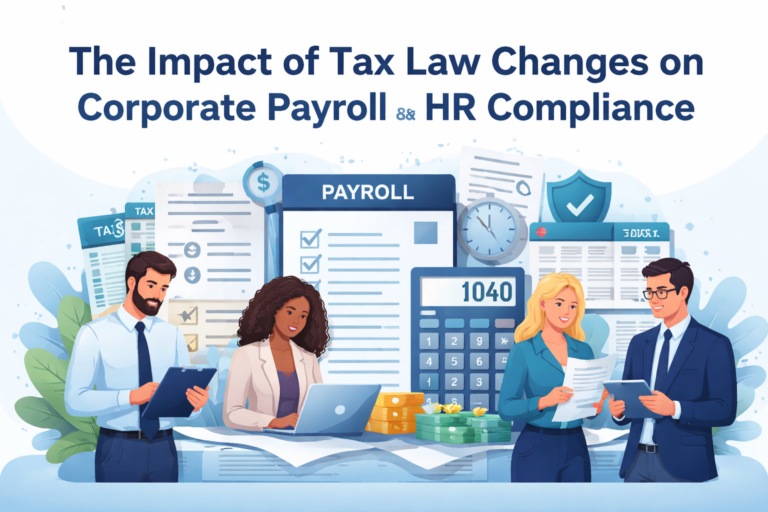
By 2026, manual onboarding is becoming obsolete in competitive organizations. The companies I’ve worked with that get this right are using AI-driven platforms to handle repetitive tasks—W-4 and state tax forms, I-9 verification, benefits enrollment, compliance acknowledgments, IT provisioning, payroll system setup.
This isn’t about replacing human connection. It’s about freeing HR and finance teams from data entry so they can focus on the parts that actually matter: relationship building, cultural integration, compliance education that goes beyond just checking boxes, and making sure the new hire understands how payroll cycles, expense reimbursement, and benefit deductions actually work in practice.
Automated Slack greetings, searchable knowledge bases, pre-scheduled check-ins—these tools reduce the “new hire anxiety” that slows integration during the first few weeks. When someone can find answers instantly instead of waiting hours for an email response, they move faster.
What Actually Happens in Effective Onboarding
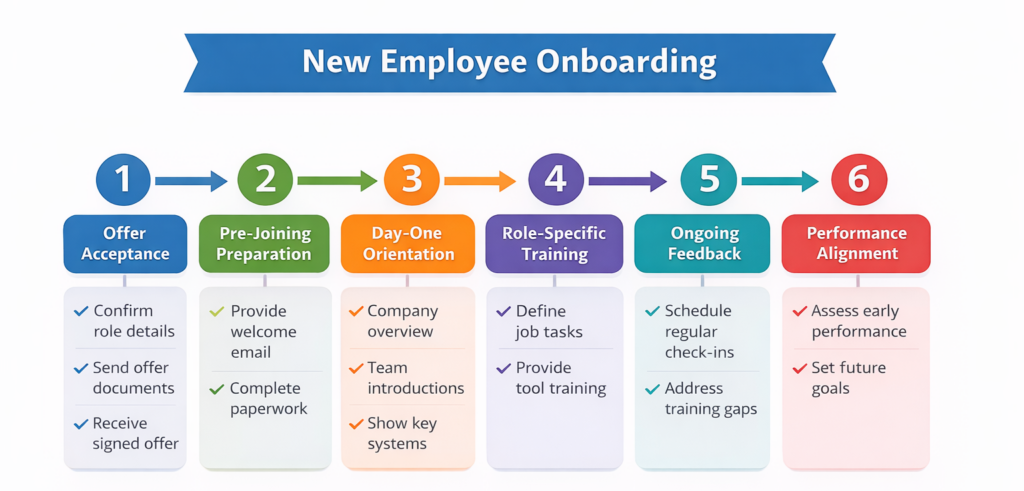
A strong onboarding system doesn’t wing it. It follows a structure. Skipping steps creates confusion that shows up later as performance gaps or early turnover.
Before Day One
Onboarding should start the moment someone accepts the offer, not when they walk in the door.
I’ve worked with companies that send welcome packets two weeks before the start date with role expectations, team bios, payroll setup instructions, and links to internal resources. When the employee shows up, they already have context. They know who they’ll be working with. They understand the basics of what’s expected. Their direct deposit is already configured.
Compare that to the alternative: showing up blind, spending the first week just trying to figure out how to submit a timesheet or who handles benefits enrollment, and feeling behind from the start.
Pre-joining preparation includes completing W-4s and state tax withholding forms early, setting up system access in advance, and sending clear instructions for the first week. When this happens, day one is about orientation and relationship building—not troubleshooting payroll portal access and scrambling to meet compliance deadlines.
Day One: Setting the Tone
The first day should provide direction without overwhelming people.
Effective orientation covers company structure, reporting lines, key policies with actual context (not just “here’s the handbook”), team introductions, and clear next steps. It doesn’t try to explain everything at once.
For hybrid teams, day-one orientation often happens through a screen instead of a conference room. The best practice I’ve seen is the Digital Welcome Kit—a package that includes a short welcome video from leadership, a digital handbook with clickable links, and a pre-loaded calendar with virtual coffee chats already scheduled.
Hybrid onboarding requires over-communication. Managers can’t physically see when someone is struggling, so scheduled check-ins need to be more frequent and intentional. Otherwise, new hires end up isolated, confused, and disengaged within days.
Role-Specific Training: The Part Everyone Skips
This is the most critical part of onboarding and the most frequently neglected.
Role-specific onboarding means clearly defined responsibilities, short-term performance expectations, training on actual tools and systems, and examples of completed work or workflows. Without this, even skilled employees spend weeks guessing what “good” looks like in their role.
In my experience managing both finance operations and HR functions, I’ve watched people with years of experience join new companies and flounder because nobody explained how things actually get done there. They know their function—accounting, payroll, benefits administration, whatever—but every company in the U.S. corporate landscape has different systems, approval workflows, and unwritten rules.
One company processes expense reports through Concur with three-level approvals. Another uses a homegrown system where finance manually reviews everything. One organization runs bi-weekly payroll with strict cutoff times. Another does semi-monthly with flexible adjustments. If onboarding doesn’t cover these operational specifics, employees waste time making avoidable mistakes that create downstream problems for finance and compliance teams.
One of the most effective low-cost strategies is assigning an Onboarding Buddy—a peer, not a manager—who helps with day-to-day questions. Where to find documents. Which tools are used for what. Who to approach for specific issues.
Buddies provide a safe space for basic questions that new hires might feel embarrassed asking their manager. People with a buddy typically reach full productivity faster, and the investment is minimal. It’s one of those simple things that consistently works but gets skipped because it’s not “official” enough.
This is also where understanding delegation principles matters for managers. If you’re bringing someone new onto the team, you need to know how to hand off work effectively without just dumping tasks on them. And for new hires trying to navigate workplace dynamics, having strong active listening skills helps you pick up on unspoken norms faster than any orientation session will teach you.
What Separates Good Onboarding from Bad
The best onboarding experiences share a few consistent traits. Managers are actively involved, not just HR. Expectations are documented, not assumed. Support channels are clearly defined. Feedback starts early, not at the six-month review.
Poor onboarding looks like this: unclear communication, delayed access to payroll and benefits systems, minimal guidance during the first few weeks, and then surprise when the employee isn’t performing at full capacity by month two.
I’ve worked with organizations that spend thousands on recruiting and then lose people in the first 90 days because nobody bothered to explain how the company actually operates. The irony is that fixing onboarding is often cheaper and easier than constantly replacing early turnover. From a pure finance perspective, the cost of losing someone in the first six months—recruiting spend, lost productivity, rehiring costs—typically runs 50-150% of their annual salary depending on the role.
For companies building their talent acquisition strategy, onboarding is where strategy meets reality. You can have the best recruiting process in the world, but if onboarding is broken, you’re just cycling people through. This is especially true for students and early-career professionals entering the U.S. corporate environment for the first time—they need structured guidance to translate academic knowledge into practical job performance.
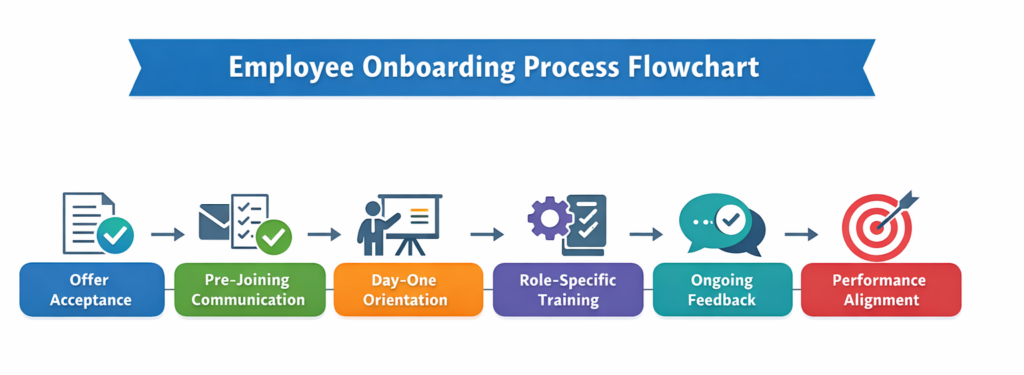
The flow itself is straightforward: offer acceptance, pre-joining communication, day-one orientation, role-specific training, ongoing feedback, performance alignment. Each stage builds on the previous one. Skip a stage, and the entire process weakens.
How to Know If Your Onboarding Actually Works
You can’t improve what you don’t measure. In 2026, effective HR and finance teams track specific metrics instead of relying on gut feel.
Time-to-productivity matters more than most other numbers. How long does it take for a new hire to complete their first independent task or project? If it’s taking two months when it should take three weeks, that’s a system problem.
New hire turnover rate tells you whether people are leaving within the first six months. High turnover here usually means misalignment during onboarding—either expectations weren’t clear, or the job doesn’t match what was described, or the support wasn’t there.
Payroll and compliance error rates for new hires also reveal onboarding gaps. If new employees consistently submit timesheets incorrectly, misunderstand PTO accrual, or make frequent expense reporting mistakes, your onboarding didn’t adequately cover operational processes.
Employee Net Promoter Score (eNPS) around day 30 is simple but revealing. Ask whether the employee would recommend the company as a place to work. If the answer is consistently no at the one-month mark, your onboarding is probably leaving people frustrated or confused.
These metrics help identify gaps and demonstrate ROI. When you can show that improving onboarding reduced early turnover by 30% and cut new hire processing errors by 40%, it’s easier to get resources and executive buy-in for better systems.
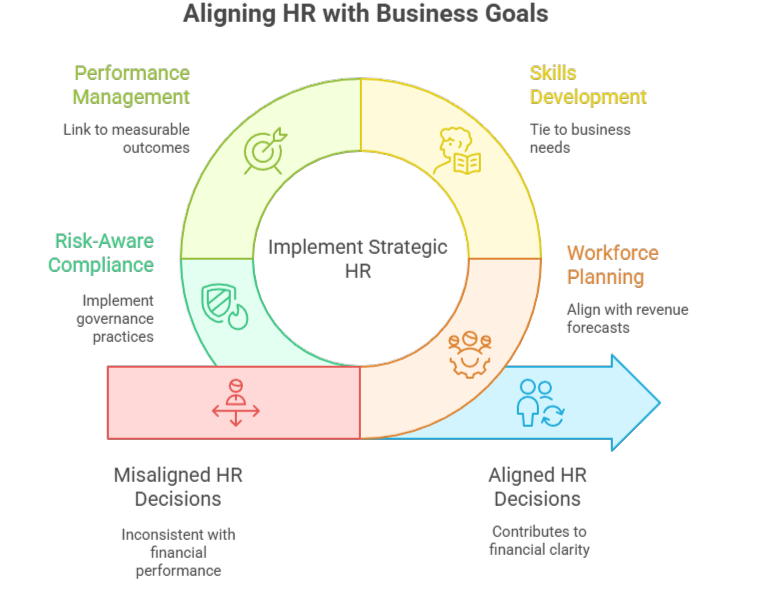
This also ties into aligning HR processes with corporate financial goals. Retention isn’t just an HR metric—it’s a cost metric. Every person who leaves in the first six months represents wasted recruiting spend, lost productivity, and additional hiring costs. Onboarding directly impacts the bottom line.
Tools That Make Onboarding Actually Work
Based on what I’ve implemented across various organizations, here are the tools and resources that consistently deliver results:
Onboarding Platforms: BambooHR and Workday handle end-to-end onboarding workflows effectively for mid-to-large companies. For smaller organizations, Gusto combines payroll setup with basic onboarding features at a lower price point.
Communication & Integration: Slack or Microsoft Teams with automated welcome messages and pre-built channels for new hires. Set up automatic introductions, resource links, and scheduled check-in reminders so nothing falls through the cracks.
Documentation & Knowledge Base: Notion, Confluence, or even well-organized Google Drive folders. The key is making information searchable and accessible. New hires should be able to find “How do I submit an expense report?” without asking three different people.
Payroll & Compliance: ADP, Paychex, or Rippling for integrated payroll, tax filing, and benefits administration. The fewer systems a new hire needs to navigate for basic HR tasks, the better.
Task Management: Asana or Monday.com to track onboarding milestones. Assign tasks to HR, IT, managers, and the new hire with clear deadlines. This prevents the “I thought someone else was handling that” problem.
Feedback Collection: Simple Google Forms or Typeform surveys at 30/60/90 days to capture what’s working and what isn’t. Keep them short (5-7 questions max) and actually act on the feedback.
What I Wish More Companies Understood
Onboarding is not a checklist. It’s a process that shapes how employees perform, engage, and decide whether to stay.
The companies that get this right don’t treat onboarding as a task to complete. They treat it as an investment that pays off in retention, productivity, and team stability. They plan it. They measure it. They improve it continuously.
The companies that don’t? They keep wondering why people leave so quickly, why new hires take so long to ramp up, why engagement scores are low. And they keep blaming the employees instead of looking at their own systems.
If you’re building onboarding from scratch or trying to fix what’s broken, start with clarity. What does someone need to know to do their job? Who do they need to know? What does success look like in the first 30, 60, 90 days? How do payroll, benefits, and compliance processes actually work in practice?
Answer those questions explicitly. Document them. Make them accessible. Check in regularly to make sure the new hire isn’t stuck.
It’s not complicated. But it does require intention. And in 2026, that intention is what separates companies people want to stay at from companies people are already planning to leave.
For students and professionals entering the U.S. corporate landscape, understanding what good onboarding looks like also helps you evaluate potential employers. If a company can’t clearly explain their onboarding process during interviews, that’s a red flag about how they handle employee development overall.
Common Onboarding Questions
How long should onboarding actually last?
At minimum, 90 days. Some roles need longer, especially technical positions or leadership roles. The goal is full integration, not just orientation. If someone still feels lost at the three-month mark, your onboarding didn’t go deep enough.
What’s the biggest mistake companies make with onboarding?
Treating it as a checkbox exercise instead of a relationship-building process. Onboarding isn’t about completing forms. It’s about setting someone up to succeed. When HR just processes paperwork and leaves the rest to chance, employees struggle.
How do you onboard remote employees effectively?
Over-communicate. Schedule more check-ins than you think you need. Use video for relationship building, not just email. Provide a digital knowledge base so people can find answers without waiting. And assign a buddy—remote employees need informal support even more than onsite ones.
Should onboarding be different for experienced hires?
Yes and no. Experienced hires don’t need basic job skills explained, but they absolutely need company-specific context. How decisions get made, who has authority over what, how to navigate internal politics—and critically, how your specific systems work. Someone who’s been doing payroll for 10 years still needs to learn your payroll software, approval workflows, and compliance deadlines. Don’t assume experience elsewhere translates automatically.
What role should managers play in onboarding?
Central. HR and finance can handle paperwork, tax forms, and orientation, but managers own role-specific training and performance expectations. If a manager isn’t actively involved in onboarding, the new hire is going to struggle. This is where effective email communication also helps—new hires need clear, written guidance about processes, deadlines, and expectations they can refer back to.
How do you measure if onboarding is working?
Track time-to-productivity, early turnover rates, error rates in payroll/expense submissions, and employee satisfaction at 30/60/90 days. From a finance operations perspective, also monitor how long it takes new hires to correctly complete standard processes like timesheet submission, expense reporting, and benefits enrollment. If people are leaving quickly or consistently making the same operational mistakes, your onboarding process has gaps. Fix them before hiring the next batch.

Karthick Raja is an MBA-qualified Finance & HR professional and founder of Business Tax Hub, with 10+ years of hands-on experience managing finance operations, taxation, payroll compliance, and HR functions. He helps students and professionals navigate the U.S. corporate landscape by translating real-world business experience into practical, job-ready career growth.


2 Comments