
How to List Cross-Functional Finance and HR Skills on a U.S. Resume

Most people with both Finance and HR experience make the same mistake on their resumes—they dump everything into one giant skills section and hope recruiters figure it out. They don’t.
Here’s what actually happens: hiring managers spend an average of 7.4 seconds on your resume during the initial scan. When they see a jumbled list of responsibilities, can’t tell who owned what, and can’t quickly parse Finance accountability from HR coordination, you’re out. A 2025 study tracking over 4,000 resume reviews found that recruiters spend 67% of their screening time examining work experience sections—which means if your Finance and HR boundaries aren’t immediately clear there, you’ve already lost. In this article we will see How to List Cross-Functional Finance and HR Skills on a U.S. Resume
Why blending Finance and HR on a resume backfires
In U.S. companies, these two functions overlap constantly—payroll processing, benefits accounting, headcount budgeting, compliance reporting. The work touches the same systems and the same people. But ownership is never shared equally.
According to Glassdoor’s analysis of cross-functional candidates, professionals with diversified skillsets are in demand—but only when those skills are clearly scoped. The issue isn’t having both Finance and HR experience. It’s presenting them as if they’re interchangeable when recruiters know they’re not.
Finance signs off on reconciliations, manages accruals, and carries audit risk. HR validates data before it enters payroll, ensures FLSA classification is correct, and maintains employee records. When your resume implies you “handled everything,” it doesn’t read as versatile. It reads as someone who doesn’t understand risk ownership.
If you’re trying to position yourself for roles that cross both areas, you need to understand how HR processes align with corporate financial goals in practice, not just in theory.
Finance skills that carry weight on a U.S. resume
When Finance appears on your resume, people expect to see controls, not just tasks. That means showing you understand regulatory frameworks like GAAP, can handle month-end close cycles, and know what gets tested during audits.
Payroll in a Finance context means journal entries, reconciliation between payroll systems and the general ledger, and tracking payroll tax expenses like FUTA and SUTA. If all you did was validate timesheets, that’s not Finance work—it’s coordination.
Here’s the reality: a Testlify study found that hiring professionals spend approximately 23 hours screening resumes for a single hire, reviewing an average of 250+ applications per posting. With that volume, Finance skills need to immediately signal ownership. Terms like “prepared monthly payroll accruals” or “reconciled payroll GL accounts” work. “Assisted with payroll” doesn’t.
Budgeting means tying headcount to compensation plans and forecasting labor costs across departments. Benefits cost allocation shows you understand how employer contributions flow through financial statements.
Internal controls matter more than most candidates realize. If you supported an audit, helped document processes, or maintained backup for payroll accruals, that belongs front and center.
What HR skills actually mean to HR leaders
HR technical skills aren’t measured by outputs. They’re measured by policy application, classification accuracy, and regulatory alignment. If your resume shows HRIS data management without mentioning FLSA compliance or benefits eligibility rules, it looks incomplete.
Employee classification—exempt vs. non-exempt—is a legal decision with serious consequences. Listing it as a skill only works if you can explain how you applied the rules, not just that you entered the data.
Benefits administration covers enrollment accuracy, eligibility tracking, vendor coordination, and making sure documentation is ready if DOL comes knocking. It’s not the same as running reports on benefits costs.
When Finance and HR skills intersect, the best approach is to understand both sides. For people entering this space, building digital skills for professional roles early makes transitions smoother later.
How cross-functional roles actually work in practice
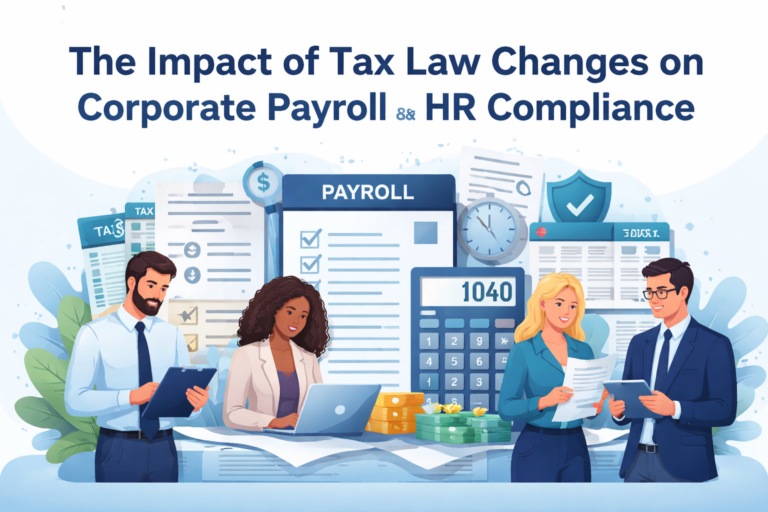
Payroll sits right at the intersection, and it’s where most confusion happens. Finance reconciles payroll to the GL, handles tax accruals, and ensures audit trails are clean. HR validates data accuracy before payroll runs, coordinates with managers on pay changes, and maintains compliance documentation.
Neither side owns everything. Finance doesn’t approve FLSA classifications. HR doesn’t book journal entries. Getting this boundary right on your resume is the difference between looking credible and looking confused.
If you coordinated payroll cycles as part of HR, say so—but don’t claim you managed payroll accounting unless you actually reconciled accounts and handled accruals. If you worked in Finance supporting payroll, mention GL reconciliation and controls, not employee data validation.
Resume mistakes that kill credibility fast
One combined Finance/HR skills list signals shallow experience in both areas. Separate them, even if they’re on the same resume. Show Finance skills under Finance experience. Show HR skills under HR roles. Cross-functional doesn’t mean undifferentiated.

Data backs this up: 83% of recruiters say they’re more likely to hire candidates who tailor their resumes to specific jobs. When Finance and HR are blended into generic statements, there’s nothing specific to evaluate. A Jobvite survey found that 83% of recruiters also prefer well-formatted resumes with clear sections—which means Finance and HR need distinct headers, not one mushy “Business Operations Skills” catch-all.
Claiming compliance ownership when you only supported documentation is a liability. If you didn’t sign off on reports or carry audit accountability, don’t position yourself as if you did.
Tool lists without context mean nothing. Saying you used Workday or ADP doesn’t tell anyone what you actually did. Process-based descriptions do. Instead of “ADP experience,” write “coordinated biweekly payroll data validation in ADP for 200+ employees.”
Ignoring U.S.-specific frameworks will get your resume filtered out instantly. If you’re listing Finance skills, mention GAAP. If it’s HR, reference FLSA or DOL standards. These aren’t buzzwords—they’re the language hiring managers use to assess depth.
And don’t overlook the basics: a MIT Sloan study found that job seekers with over 99% spelling accuracy on their resumes are hired almost three times more frequently than those with errors. Meanwhile, 77% of hiring managers immediately reject resumes with typos or bad grammar. In Finance and HR roles where precision matters, one misspelled compliance term can end your candidacy.
For anyone early in their career, understanding how to structure this correctly matters. People coming out of school should look at how to build a proper career roadmap that accounts for these functional differences from the start.
And if you’re networking or building visibility, remember that 40% of recruiters say they’ve hired candidates based on LinkedIn profiles alone, while 42% use social media to screen applicants. Your resume needs to match what’s publicly visible about your Finance and HR experience—inconsistencies raise immediate red flags.
How hiring managers check during interviews
By 2025, 83% of companies use AI to screen resumes before human eyes ever see them. That means your Finance and HR boundaries need to be clear enough for both algorithms and recruiters. The AI scans for role-specific keywords—GAAP, reconciliation, and accruals signal Finance depth; FLSA, classification, and benefits administration signal HR competency.
But once you pass the ATS filter, human reviewers ask different questions. They don’t just ask what you did. They ask who signed off, what got audited, and where compliance risk sat. If your resume claims broad responsibility but you can’t explain accountability in detail, it falls apart fast.
A Resume Builder survey of 948 business leaders found that 62% of hiring managers are more likely to reject resumes that appear AI-generated or overly generic. The same principle applies to cross-functional roles: if your Finance and HR skills read like a template without specific process details, you’re filtered out.
Process questions reveal depth. Can you explain payroll reconciliation from start to finish? Do you know the difference between exempt and non-exempt beyond the definition? Can you walk through how benefits costs get allocated across departments?
By 2025, 76% of companies plan to use AI for asking interview questions, and 69% will use AI for candidate assessments. This means both your resume and your interview responses need to demonstrate clear, specific knowledge of Finance and HR processes—not vague claims of “cross-functional experience.”
Background checks verify role claims. If your resume implies authority you didn’t have, it shows up when references get called or when prior employers confirm your actual title and scope.
Structuring skills for maximum impact
Break Finance and HR into separate sections. Under Finance, list skills tied to reporting, controls, reconciliation, and audit support. Under HR, focus on classification, compliance coordination, benefits administration, and policy application.
According to a 2025 analysis of over 500,000 resumes, hiring managers spend less than 30 seconds on initial reviews, with 57% reviewing resumes for under one minute total. That means your section headers need to work instantly. “Finance Operations” and “HR Compliance Support” are clear. “Business Support Skills” is not.
If you worked in a true cross-functional role—supporting both Finance and HR leadership—show where the functions intersect without overstating your authority. Phrases like “coordinated with Finance on payroll reconciliation” or “supported HR compliance documentation for audits” position you correctly.
For freshers, less is better. HRIS exposure, payroll cycle awareness, basic labor law concepts, and recordkeeping accuracy are enough. Don’t claim expertise in areas you haven’t handled under supervision.
Mid-career professionals should emphasize process ownership where it existed and collaboration where it didn’t. If you ran month-end close for payroll, say that. If you validated data inputs for HR before payroll processed, be specific about scope.
And always quantify when possible. Resumes with specific metrics and achievements significantly outperform those without them. For example, “Reconciled payroll GL accounts for 300+ employees, reducing discrepancies by 25%” beats “Handled payroll reconciliation” every time. Data from thousands of successful hires shows that 89% of hiring managers actively look for problem-solving skills demonstrated through results, not just task lists.
| Resume Approach | When It Works | When It Fails | Manager’s Read |
|---|---|---|---|
| Separate Finance and HR sections | Cross-functional corporate roles | Rarely fails if scoped correctly | Clear accountability |
| Single combined skills list | Very early-stage startups | Mid-size and enterprise companies | Shallow or inflated experience |
| Tool-heavy listing | ATS keyword screening | Human review and interviews | Resume padding |
| Process-based descriptions | Corporate environments | Rarely fails | High credibility |
Finance skills for freshers vs. experienced professionals
If you’re entry-level, focus on what you’ve actually touched. AP/AR exposure, basic GL knowledge, payroll cycle awareness, Excel skills tied to financial tasks. Don’t claim forecasting authority if you built models under supervision without owning outputs.
Keep it concise too. While 53% of hiring managers say two-page resumes are acceptable for experienced candidates, 43% still prefer one page—especially for entry-level roles. The key isn’t length; it’s relevance. Single-page resumes are easier to scan, and recruiters don’t spend more time on longer resumes anyway.
Experienced professionals should highlight closed loops—month-end responsibilities, audit interactions, variance analysis, and any regulatory reporting you supported or owned.
For people looking to understand what real work looks like before entering these roles, reading about real-world business insights for finance students helps bridge the gap between academic theory and workplace expectations.
HR skills that translate across industries
Employee classification isn’t industry-specific, but application varies. If you worked in retail, classification decisions around shift managers and supervisors carry different risk than in tech or finance. Show you understand the stakes.
Benefits administration scales with company size. A 50-person company handles enrollment differently than a 5,000-person organization. If you managed open enrollment for a large employee base, that’s worth calling out specifically.
Compliance support for DOL or IRS audits shows you’ve been tested under pressure. If you pulled documentation, coordinated with auditors, or ensured recordkeeping was audit-ready, that signals reliability.
Soft skills that matter in Finance and HR roles
Stakeholder communication isn’t fluff in these roles—it’s core work. Explaining payroll changes to department heads, translating benefits costs for budget planning, or coordinating with external auditors all require clarity under scrutiny.
Process discipline means following controls even when it’s inconvenient. Finance and HR both operate under regulatory frameworks where shortcuts create liability. If you’ve worked in environments with tight audit standards, mention it.
Cross-team coordination without bypassing controls is critical. If you’ve worked with both Finance and HR teams, show you understand who signs off on what and where handoffs happen.
For people managing teams or working cross-functionally, understanding effective workplace communication becomes essential, especially when Finance and HR priorities don’t always align neatly.
When to keep Finance and HR experience separate on your resume
If you’ve worked in both areas sequentially—say, three years in Finance followed by two in HR—keep them in separate job entries with distinct skills listed under each. Don’t try to merge them into one hybrid description.
If you held a role where Finance and HR reported to the same executive and you genuinely supported both functions, structure it by showing Finance responsibilities first, HR responsibilities second, and shared processes third.
Avoid creating a “Business Operations” catch-all title if your actual roles were Finance Analyst and HR Coordinator. Recruiters filter by function, and generic titles make you harder to find.
How background checks expose inflated claims
Former employers verify titles, dates, and general scope. If your resume says “Payroll Manager” but your actual title was “Payroll Coordinator,” that discrepancy shows up.
References get asked who you reported to, what you owned vs. supported, and whether you carried sign-off authority. If you claimed compliance ownership but only prepared documentation for someone else’s review, that comes out.
And companies take this seriously. Hiring a single bad employee costs organizations nearly $15,000 on average, which is why resume screening—especially for Finance and HR roles with compliance implications—has become more rigorous, not less.
The safest approach: match your resume to what your manager would say if called. If you coordinated, say coordinated. If you reconciled, say reconciled. If you supported, say supported.
Real-world examples that work
Finance Example: “Reconciled biweekly payroll to general ledger for 300+ employees, prepared monthly payroll tax accruals, and supported external audit requests for payroll documentation.”
HR Example: “Validated employee classification under FLSA guidelines, coordinated benefits enrollment for 400+ employees, and maintained compliance documentation for DOL audits.”
Cross-Functional Example: “Coordinated with Finance on payroll reconciliation and supported HR compliance tracking for quarterly internal reviews.”
Notice what these don’t do: they don’t claim authority that wasn’t there, they don’t blend functions into vague statements, and they don’t use generic terms that could mean anything.
What to do if you’re changing from Finance to HR or vice versa
Lead with transferable process skills. If you’re moving from Finance to HR, emphasize coordination, compliance awareness, and data accuracy. If you’re moving from HR to Finance, highlight your understanding of payroll cycles, cost tracking, and audit readiness.
Don’t pretend the functions are identical. Acknowledge the shift in your cover letter or summary, and show you understand what changes between Finance accountability and HR policy enforcement.
For structured thinking on making these transitions work, looking at self-assessment frameworks helps clarify what strengths actually transfer and what gaps need development.
Why U.S. companies evaluate these skills differently than other markets
U.S. regulatory frameworks create sharper functional boundaries than many other countries. GAAP, FLSA, FUTA, SUTA, DOL standards—all of these define who owns what and where liability sits.
Audit culture is stronger here. Finance and HR both expect documentation trails, sign-off procedures, and clear accountability when regulators or auditors show up.
Competition is fierce too. Job postings in major U.S. cities like San Jose see over 150 applicants per opening within the first week. In Seattle, applications per job surged 445% year-over-year. With that volume, resumes that don’t immediately show clear Finance vs. HR ownership get filtered fast. Only 3% of resumes result in interviews—and those that do have crystal-clear functional boundaries.
If you’re coming from a market where Finance and HR operated more fluidly, your resume needs to reflect U.S. expectations even if your prior experience didn’t follow the same structure.
International professionals navigating this should understand how U.S. workplace expectations differ from what they experienced elsewhere, especially around compliance and documentation standards.
Final resume check before submission
Read through your Finance skills. Can you explain each one with a specific example tied to GAAP, controls, or audit processes? If not, rephrase or remove it.
Read through your HR skills. Can you explain how each connects to FLSA, benefits compliance, or policy enforcement? If not, it’s not ready.
Check cross-functional claims. Does your resume show collaboration without overstating authority? Does it respect functional boundaries while still showing breadth?
Remove any skill you can’t defend in an interview with concrete details. Better to have six strong, specific skills than fifteen vague ones.
And if your resume still feels too generic, remember: hiring managers aren’t looking for people who did everything. They’re looking for people who understand what they owned, what they supported, and where the boundaries were.

Karthick Raja is an MBA-qualified Finance & HR professional and founder of Business Tax Hub, with 10+ years of hands-on experience managing finance operations, taxation, payroll compliance, and HR functions. He helps students and professionals navigate the U.S. corporate landscape by translating real-world business experience into practical, job-ready career growth.